

Uncategorized
Web3 Wallet Risk Assessment: Where Rabby Fits in the DeFi Security Stack
A common misconception is that a safer Web3 wallet is simply the one with the most security warnings. In practice, warnings matter only when they arrive before a user signs, explain what is actually happening, and help distinguish a dangerous transaction from an unfamiliar but legitimate one. That is a harder problem than displaying a red icon. DeFi transactions combine smart-contract logic, token permissions, changing balances, multiple chains, and sometimes opaque front-end interfaces. The useful question, therefore, is not whether a wallet can promise safety. It is whether the wallet improves the quality of a user’s decision at the moment risk becomes actionable.
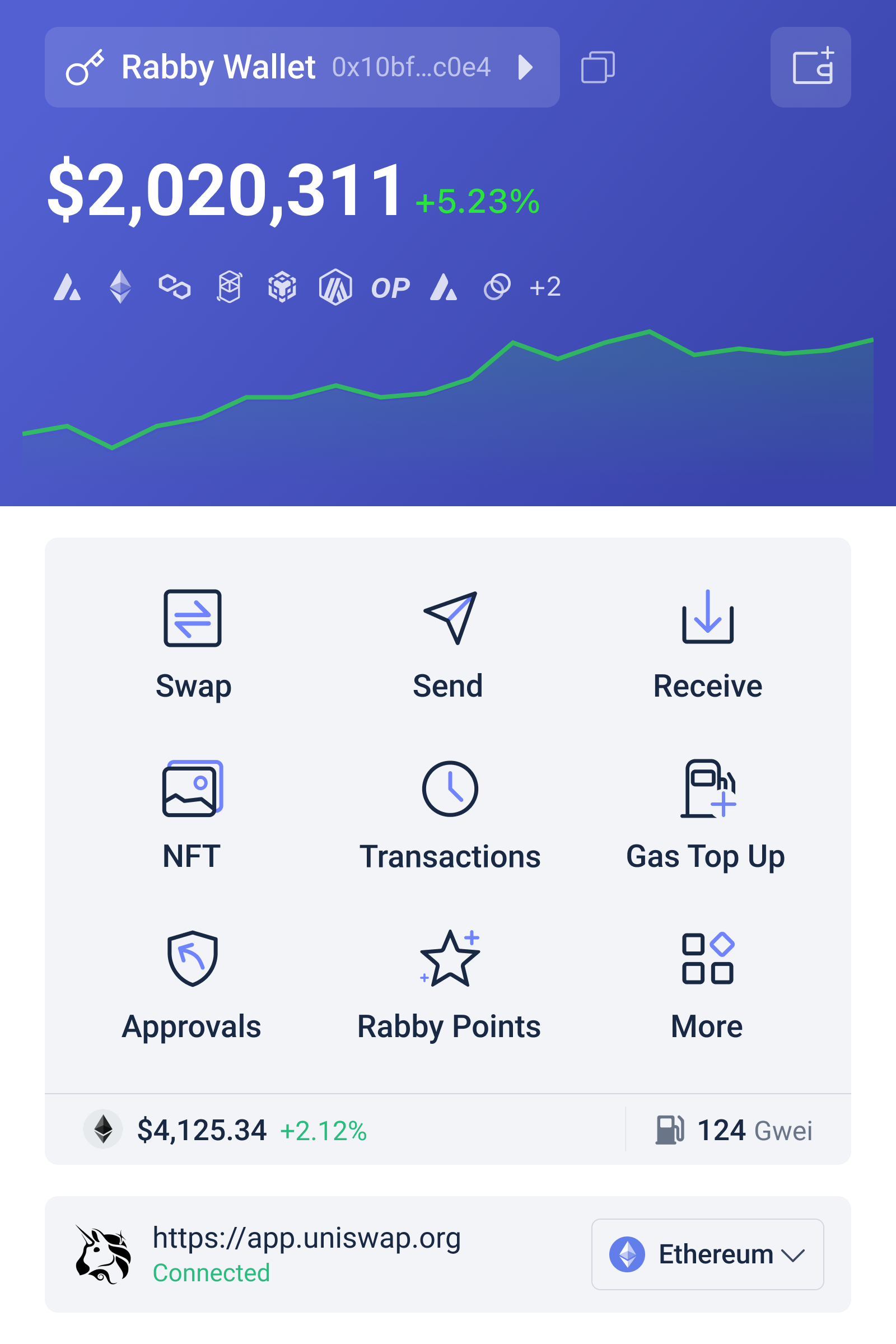
This distinction explains the growing interest in advanced wallets such as Rabby. Earlier Web3 wallets largely served as key managers and transaction-signing bridges. Today, serious users increasingly expect an interface to interpret transactions, simulate likely outcomes, identify suspicious approvals, and make activity across Ethereum and other EVM networks easier to inspect. These features can materially reduce avoidable mistakes. They do not eliminate malicious contracts, compromised websites, private-key theft, or poor judgment. A wallet is part of a security system, not the entire system.
From Key Storage to Transaction Interpretation
The first generation of crypto wallets made a relatively narrow promise: hold or access private keys and submit signed messages to a blockchain. That model reflected the technical reality of the time. If a user understood the destination address, amount, and network, the wallet’s job seemed straightforward.
DeFi changed the meaning of a transaction. A single approval may allow a contract to move tokens later. A swap may route through several contracts. A liquidity position may create new claims and obligations. A signature that appears to “connect” a wallet may authorize an action with consequences that are not obvious from the website’s button label. The user is no longer approving only a payment; the user is approving a proposed state change in a complex software system.
Transaction simulation addresses part of this interpretive gap. Before signing, a wallet can attempt to model what the transaction would do: which assets may leave the wallet, which assets may arrive, what permissions could change, and whether the call appears likely to fail. This is valuable because blockchain execution is generally irreversible once confirmed. A simulation moves some of the learning process from after the mistake to before it.
But simulation is not a crystal ball. It depends on the state being modeled, the accuracy of the simulation environment, the behavior of external contracts, and the difference between the reviewed transaction and the one ultimately signed. Dynamic applications can change their instructions. A malicious interface can present one action for review and attempt another. A contract can behave differently under conditions that were not captured. The correct mental model is “additional evidence before signing,” not “guaranteed prediction.”
Rabby Compared with a Basic Wallet
A basic wallet remains useful for users who make simple transfers, hold assets for long periods, or prefer a minimal interface. Fewer features can mean fewer distractions, and a hardware wallet can provide strong protection for private keys when used correctly. For a user sending a known amount to a known address, advanced transaction analysis may add less value than careful address verification and operational discipline.
For active DeFi users, however, the comparison changes. A basic wallet may show a contract address, gas estimate, and broad transaction category while leaving the user to infer the consequences. An advanced wallet attempts to translate contract behavior into a more decision-relevant review. That can include warnings about risky approvals, suspicious addresses, unusual token outcomes, or transactions that may fail. The advantage is not merely convenience. It is reduced cognitive load at a point where the raw blockchain data is difficult to interpret quickly.
Rabby’s positioning around Ethereum and EVM networks reflects another shift in wallet design: chain diversity is now normal, but chain diversity also creates operational risk. Users may confuse networks, overlook different token standards, or rely on a familiar application in an unfamiliar environment. A wallet designed for broad EVM use can make switching and reviewing activity more coherent, but the underlying networks do not become interchangeable. Bridges, wrapped assets, differing fee markets, and varying levels of application maturity remain important boundaries.
The trade-off is complexity. More warnings, labels, and simulation results can improve safety for an attentive user while overwhelming someone who treats every prompt as background noise. This is a human-factors problem, not just a software problem. If warnings are too frequent or too vague, users may develop “alert fatigue” and approve transactions reflexively. The best security interface is therefore not the one that blocks the most activity; it is the one that makes consequential differences visible without disguising uncertainty.
A Practical Risk-Assessment Framework
When evaluating a DeFi transaction, users can separate risk into four layers. The first is identity: who controls the destination contract, website, token, or address? Familiar branding is not proof of authenticity. The second is permission: what authority is being granted, especially through token approvals or signatures that may persist beyond the current action? The third is execution: what does the contract appear likely to do under current conditions? The fourth is recovery: if something goes wrong, what can realistically be reversed?
Simulation and wallet warnings are strongest at the third layer and can assist with the second. They are weaker at proving identity and offer no magical recovery after an unauthorized transaction. That is why a clean simulation should not be treated as a complete security clearance. It may show that a transaction executes as expected while saying little about whether the user intended to interact with that contract, whether the front end will remain trustworthy, or whether the asset received has meaningful value.
A reusable heuristic is to pause whenever the transaction changes permissions, not just balances. A transfer that sends a known amount to a verified address is one kind of risk. An approval that may allow future spending is another. A signature that does not immediately move funds can still be consequential if it authorizes later actions. Looking at permissions separately from visible token movement is one of the most useful conceptual upgrades for DeFi users.
Users should also compare the wallet’s interpretation with the application’s stated purpose. If a lending site claims the action will deposit one asset but the review suggests an unrelated token transfer, stop. If a swap produces an implausible result, investigate before signing. If a warning is unclear, uncertainty itself is a reason to reduce exposure: use a smaller test amount, verify the contract through an independent channel, or avoid the action until its mechanics are understandable.
Where the Security Model Still Breaks
No wallet can compensate for a compromised seed phrase or private key. If an attacker controls the signing authority, transaction simulation may help the attacker understand the transaction just as it helps the legitimate user. Device malware, phishing, malicious browser extensions, and social engineering sit outside the narrow boundary of contract analysis. Hardware wallets can strengthen key isolation, but they do not make a user immune to signing a harmful message on a trusted-looking screen.
There is also a deeper limitation: blockchain risk is partly economic, not merely technical. A transaction may execute exactly as designed and still expose a user to price manipulation, oracle failure, liquidity collapse, governance disputes, or a token with no practical exit. A wallet can explain that assets are moving; it cannot establish that a protocol’s business model is sound or that a market price is fair.
For US users, operational details matter as well. Recordkeeping, taxable events, custody arrangements, and the distinction between a personal wallet and a service provider can affect practical decisions. Those questions are jurisdiction- and fact-dependent, so a wallet should not be treated as legal or tax advice. The broader point is that a technically successful transaction may still create obligations outside the blockchain interface.
What the Current Direction Suggests
As of this week, Rabby is presenting its wallet as a broad Ethereum and EVM tool available through browser extensions such as Chrome and Brave, with emphasis on an on-chain workflow that is simple, fast, and secure. That positioning is consistent with the category’s evolution: users increasingly want one place to inspect applications, networks, permissions, and likely outcomes rather than sign blindly through a minimal prompt.
The next useful frontier is likely to be better calibration rather than louder warnings. If wallets can explain why a transaction is risky, show which assumptions support that conclusion, and distinguish uncertainty from evidence of malicious behavior, users may make better decisions without surrendering control. This outcome is conditional. It depends on reliable data, transparent detection methods, careful interface design, and users who continue to verify high-value actions independently.
For now, the practical conclusion is modest but important. An advanced wallet can improve the probability of noticing a bad transaction before it is signed. It cannot turn an uncertain protocol into a safe one, and it cannot replace key hygiene, contract verification, or sensible position sizing. Users exploring these capabilities can learn more about rabby while keeping that boundary in view.
Frequently Asked Questions
Does transaction simulation guarantee that a DeFi transaction is safe?
No. Simulation estimates what a transaction may do under modeled conditions. It can reveal unexpected transfers, likely failures, or permission changes, but it cannot prove that a contract is honest, that a website is authentic, or that market conditions will remain stable.
Is an advanced wallet better than a hardware wallet?
They address different parts of the problem. An advanced software wallet can improve transaction interpretation and risk visibility. A hardware wallet can help isolate signing keys. DeFi users may benefit from combining strong key protection with careful transaction review, especially for larger balances.
What is the most important warning sign before signing?
Pay close attention when the transaction grants a permission rather than simply moving a known amount. Unexpected approvals, unfamiliar signatures, mismatched assets, and outcomes that do not fit the application’s stated purpose deserve a pause and independent verification.


